Influence of High Vinyl Content on the Properties of SBS/SEBS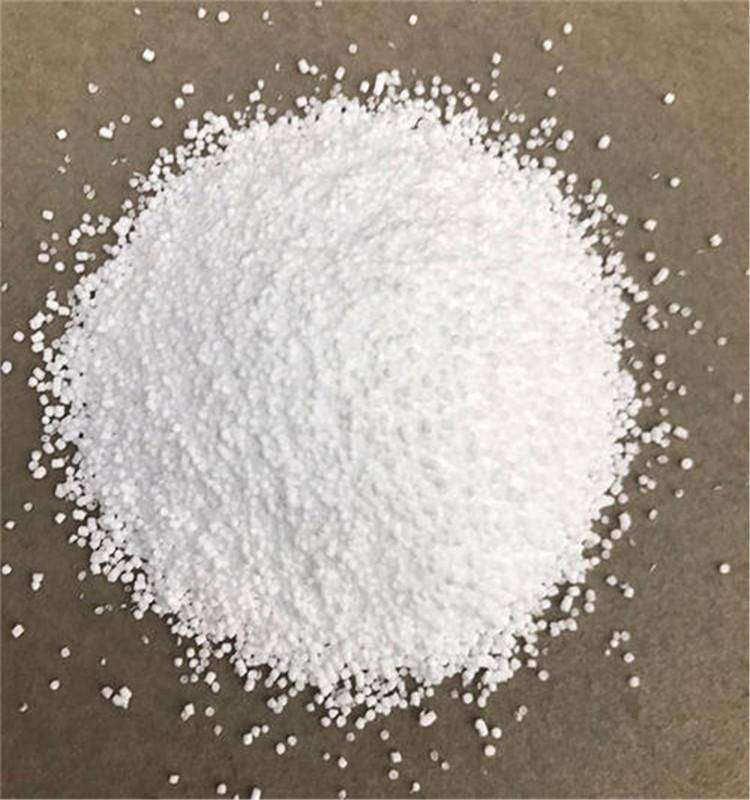
Introduction
SBS (Styrene - Butadiene - Styrene) and SEBS (Styrene - Ethylene - Butylene - Styrene) are important thermoplastic elastomers widely used in various industries. The vinyl content in these polymers can significantly affect their performance. This article will explore in detail how high vinyl content impacts the properties of SBS and SEBS.
Molecular Structure and Vinyl Content
Molecular Structure of SBS and SEBS
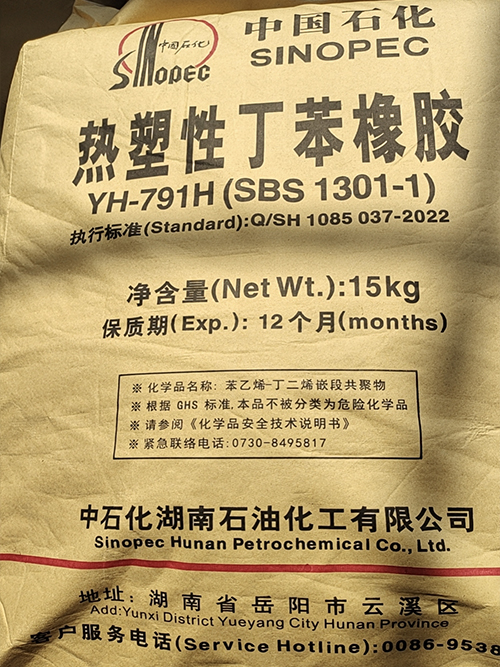
SBS is a block copolymer composed of styrene and butadiene, with a structure of A - B - A, where the A segments are polystyrene hard segments and the B segment is a polybutadiene soft segment. SEBS is the hydrogenated product of SBS, where the double bonds in the butadiene segment are saturated, resulting in a more stable structure.
Significance of Vinyl Content
The vinyl content refers to the proportion of vinyl groups in the polymer chain. In SBS and SEBS, the vinyl content can affect the flexibility, crystallinity, and other properties of the polymer. A higher vinyl content means more vinyl groups in the chain, which can lead to different physical and chemical properties.
Impact on Thermal Properties
Heat Resistance
In the case of SEBS, a high vinyl content can enhance heat resistance. For example, the SEBS YH - 506 from Sinopec Baling Petrochemical has a significantly increased vinyl content in the soft segment. Through precise control of the anionic polymerization process, the molar fraction of vinyl (–CH = CH₂) reaches 18.3% - 19.7%, which is about 40% higher than that of conventional YH - 501/YH - 503. After 1000 hours of heat - aging in hot air at 100°C, the retention rate of elongation at break is still higher than 72%, far exceeding the requirements of the ASTM D570 standard for engineering - grade TPE. The high vinyl soft segments are more likely to form micro - crystalline regions during heating. These uniformly distributed nano - scale crystalline domains act like “molecular rivets”, effectively suppressing the flow and migration of the styrene hard domains at high temperatures, thus maintaining the phase stability.
Thermal Deformation
A high vinyl content can also reduce the thermal deformation of SBS/SEBS. The increased chain entanglement density due to the high vinyl content makes the material more resistant to deformation under high - temperature conditions. The melt strength of the material is improved, reducing extrusion swelling and die - mouth distortion during processing.
Influence on Mechanical Properties
Tensile Strength and Elongation at Break
In general, a moderate increase in vinyl content can improve the tensile strength of SBS/SEBS. The high vinyl content leads to an increase in chain entanglement, which enhances the interaction between polymer chains. As a result, the material can withstand greater tensile forces before breaking. At the same time, the elongation at break may also be affected. A proper vinyl content can maintain a good balance between strength and flexibility, allowing the material to have both high strength and good elongation performance.
Elasticity and Resilience
The elasticity and resilience of SBS/SEBS are closely related to the vinyl content. High vinyl content can enhance the elasticity of the material. The vinyl groups in the chain can provide more flexible segments, making the material more elastic. When the material is deformed, it can quickly return to its original shape, which is beneficial for applications such as shock - absorbing components.
Effect on Chemical Resistance
Resistance to Oxidation and Weathering
SEBS with a high vinyl content has better resistance to oxidation and weathering. Since the double bonds in the butadiene segment of SEBS are saturated after hydrogenation, and a high vinyl content further stabilizes the molecular structure. The material is less likely to be oxidized by oxygen and ultraviolet rays in the environment. This makes SEBS with high vinyl content more suitable for outdoor applications, such as automotive exterior parts and outdoor seals.
Resistance to Chemicals
High vinyl content can also improve the chemical resistance of SBS/SEBS. The material is more resistant to the erosion of various chemicals, such as oils, solvents, and acids. This property is important for applications in the chemical industry and automotive engine compartments, where the material may come into contact with various chemicals.
Impact on Processing Properties
Melt Flow and Processability
A high vinyl content can improve the melt flow properties of SBS/SEBS. The increased chain entanglement density due to the high vinyl content makes the melt more viscous, which is beneficial for processing. During extrusion and injection molding, the material can flow more smoothly through the mold, reducing the occurrence of defects such as bubbles and uneven surfaces. The melt strength is also improved, which helps to maintain the shape of the product during processing.
Compatibility with Other Materials
High vinyl content can also affect the compatibility of SBS/SEBS with other materials. In some cases, a high vinyl content can improve the compatibility with certain polymers, allowing for better blending and compounding. This is important for the development of composite materials, where SBS/SEBS can be combined with other polymers to achieve specific performance requirements.
Applications and Future Prospects
Current Applications
SBS/SEBS with high vinyl content are widely used in various fields. In the automotive industry, they are used for seals, gaskets, and shock - absorbing components due to their excellent heat resistance, elasticity, and chemical resistance. In the consumer electronics industry, they are used for flexible casings and connectors. In the medical field, they are used for medical catheters and other products that require high - quality materials.
Future Development
With the continuous development of materials science, the demand for SBS/SEBS with high vinyl content is expected to increase. Future research may focus on further improving the performance of these materials, such as enhancing their heat resistance, mechanical properties, and chemical resistance. New processing technologies and applications may also be developed to expand the scope of their use.